

By Adrian De RosaIn Repairs & warning signsPublished
The short answer
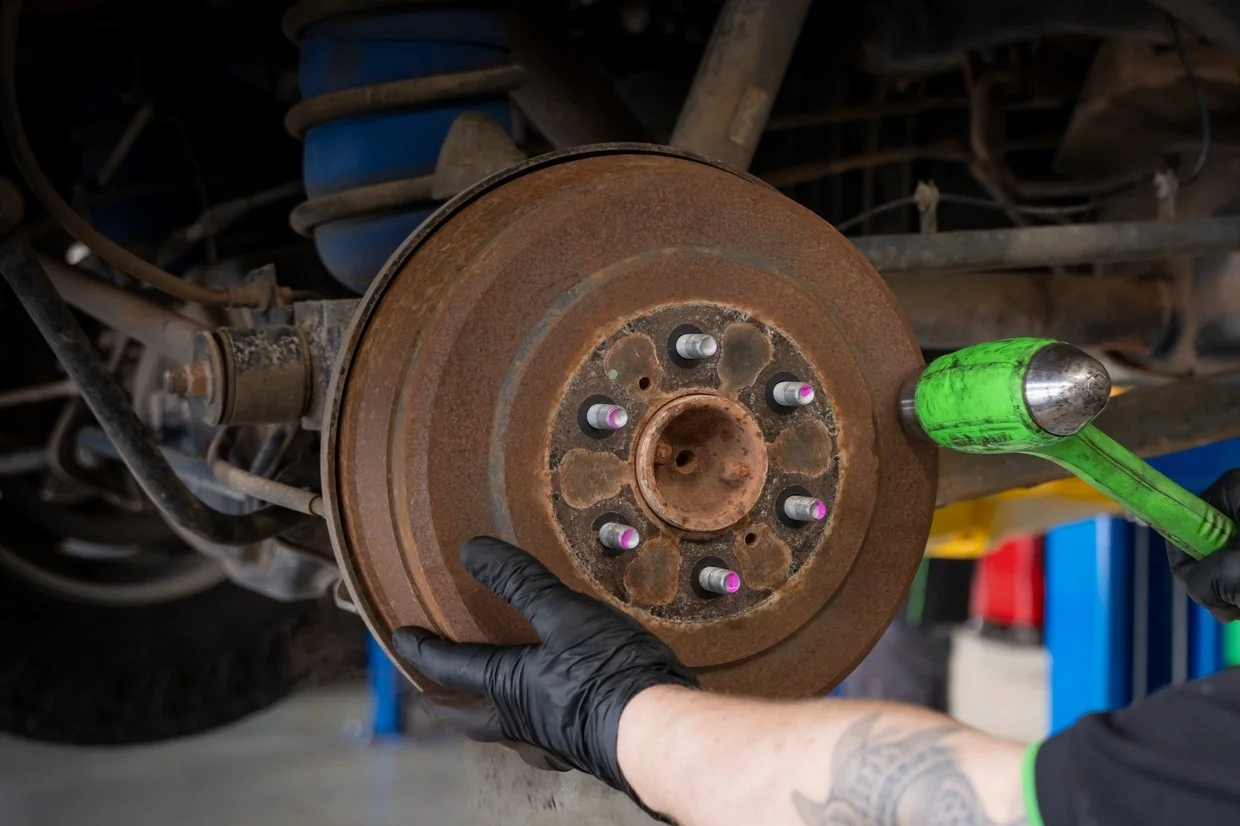
Brakes can squeak from moisture, surface rust, worn pads or vibration between the pads and discs. A brief squeak after rain can clear quickly. If the noise keeps coming back, gets louder or turns into grinding, have the brakes inspected.
When does the squeak happen?
| When you hear it | What it may mean |
|---|---|
| The first few stops after rain or overnight parking | Moisture or a thin layer of rust on the discs |
| During most stops, even on dry days | Worn pads, uneven disc wear or pad vibration |
| Soon after new pads were fitted | The new parts may still be settling in, or the fitting may need checking |
| With vibration through the pedal or steering wheel | The discs or another part of the braking system may need inspection |
When you call, tell us whether it happens at low speed or during light braking. Let us know if you hear it every time you press the pedal. You can also tell us if the noise seems to come from one corner. Those details help us work out where to start.
What causes repeated squeaking?
Brake pads press against metal discs to slow the car. Some pads have a small metal wear indicator that touches the disc when the lining gets thin. That contact can make a high-pitched squeak.
The pads can also vibrate as they grip the disc. Worn pads or unevenly worn discs can contribute to brake noise. RAC WA advice on brake noise
We check the pads, discs and fittings together so we can explain where the noise may be coming from.
When should I stop driving?
Pull over safely and arrange assistance if the brakes grind, the pedal feels soft or the car pulls under braking. Do the same if the car takes longer to stop than usual.
If the brakes feel normal but keep squeaking, book a check. A noise alone won't tell you how much pad material is left.
What we check during a brake inspection
- Inner and outer pads. We check both because they can wear at different rates.
- Brake discs. We look for scoring, measure thickness and check against the vehicle's limits.
- Calipers and fittings. The caliper presses the pads against the disc. We check for movement or sticking that can cause uneven wear.
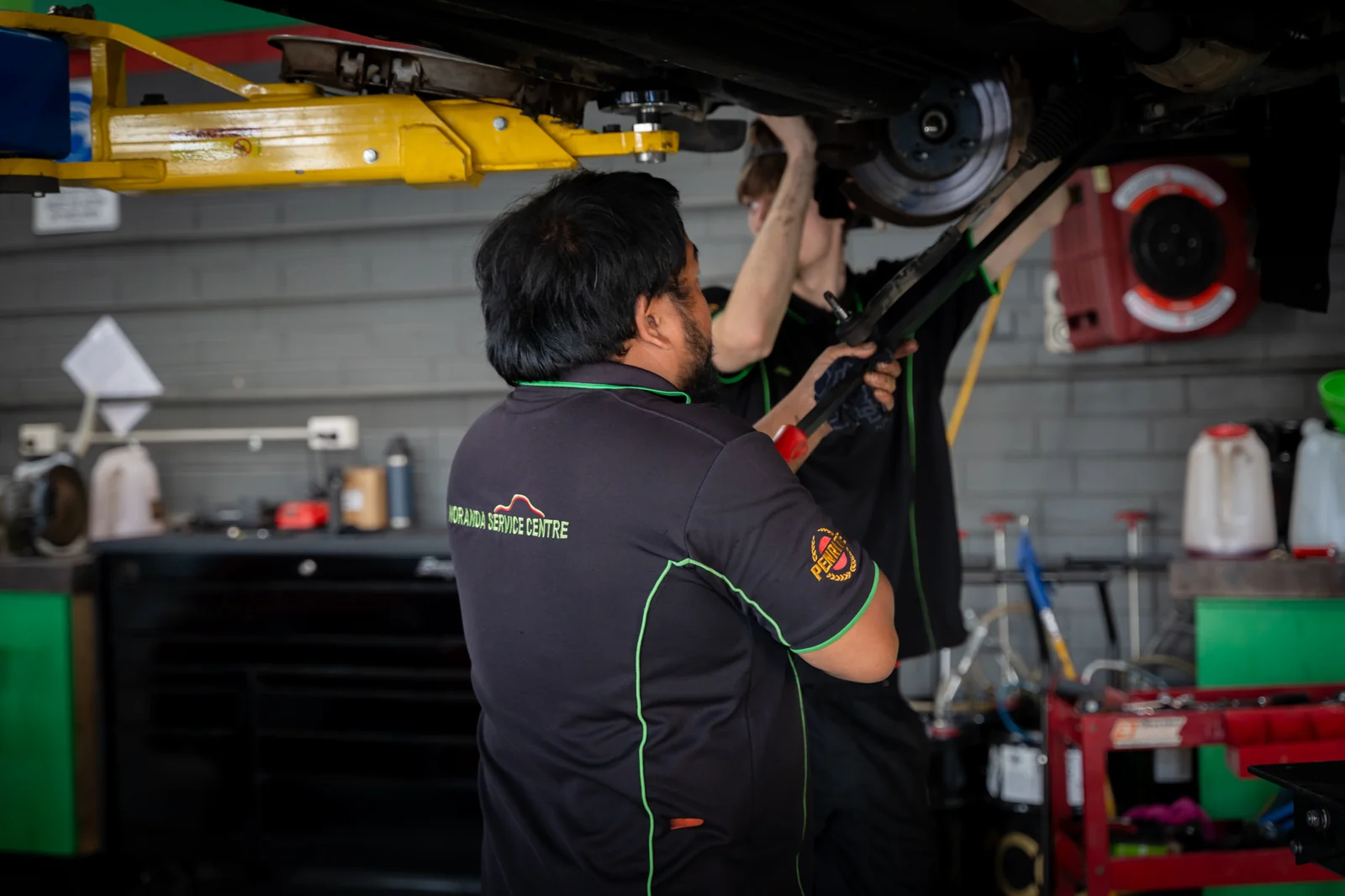
We'll explain the findings and what needs attention. If the discs are worn as well as the pads, we'll show you why that changes the repair.
Common questions
Can new brake pads squeak?
They can make some noise while the pads and discs settle against each other. Ask the workshop that fitted them to recheck the brakes if the squeak persists.
Can I spray something on squeaky brakes?
Keep lubricants and sprays off the braking surfaces. If the noise persists, have us inspect the parts and identify what's causing it.
Book a brake inspection
If your brakes squeak on most trips, tell us when it happens and how the pedal feels. Read about our brake repairs and replacements. Send a booking request or call (08) 9376 1155.